


Fast, Reliable Garage Door Parts Across Stanford
Garage door parts in Stanford, CA typically cost $110–$600 depending on the component, and most replacements are completed same-day once any necessary approvals are in place. Because Stanford’s 94305 ZIP code is a university-owned enclave with unique ground-lease protocols, parts upgrades often require coordination with Stanford Facilities — something our Garage Door Parts team handles regularly. When you call Nova at (844) 742-0390, you get Ronald Sanchez directly, not a dispatcher sending an unknown crew. We’ve spent eight years navigating the specific corrosion patterns that Stanford’s coastal microclimate inflicts on garage hardware, and we know which parts survive here.
Stanford sits in a fog-shadow zone slightly warmer than Palo Alto, but marine humidity still pushes in during fall and spring. That moisture attacks steel springs, hinges, and fasteners years faster than it would in drier inland cities. We’ve replaced torsion springs on faculty homes that failed in five to seven years instead of the typical ten. The salt air doesn’t announce itself — it pits, seizes, and binds until your door won’t lift or slams shut unpredictably.
We’re based in Bell, CA, and we make the run up to Stanford regularly. Whether you’re in a 1960s ranch near Campus Drive or a mid-century modern off Junipero Serra Boulevard, we carry galvanized springs, nylon rollers, and stainless hardware specifically chosen for coastal durability. Eight years, one trade — that’s what it takes to know which parts actually last here.
Why Nova Garage Door Service California Is Stanford’s Preferred Garage Door Parts Company
Stanford residents don’t have the luxury of calling any contractor and starting work the next morning. Because nearly all residential land is university-held and leased to faculty and staff, garage door parts replacements must satisfy both Santa Clara County permit requirements and Stanford University Real Estate & Facilities Management approval. Contractors unfamiliar with this dual-authority process routinely face job holds and rejected permits. We’ve navigated it repeatedly.
Our reputation here is built on specifics, not slogans. 90 homeowners across our service area have left verified reviews averaging 4.7 stars, and Stanford customers specifically mention our willingness to coordinate with university representatives before lifting a tool. When you call Nova, you get Ronald — the same certified technician who answers your questions, selects your parts, and installs them. No subcontractors, no rotating crews, no explaining your situation twice.
Response time to Stanford is typically same-day or next-day for standard parts calls, with emergency garage door service available when a failed spring or snapped cable has your door stuck open or locked shut. We know the local routing from Bell, and we don’t waste your afternoon with vague arrival windows.
Our Garage Door Parts Services in Stanford
Torsion Spring Replacement
Torsion springs are the most critical and dangerous component in any garage door system. In Stanford, they fail faster than almost anywhere we work. The marine humidity that rolls through during fall and spring surface-corrodes the steel, creating microscopic pitting that stresses the metal until it snaps. On 1950s–1970s faculty homes — the bulk of Stanford’s housing stock — we’ve seen torsion springs fail within five to seven years instead of the typical ten-year lifespan.
We stock galvanized and coated torsion springs specifically for coastal environments. These resist the corrosion that standard oil-tempered springs succumb to in Stanford’s fog-shadow microclimate. Because torsion springs store massive tension, we never recommend DIY replacement — a broken spring can cause serious injury or property damage if mishandled. Our spring repair runs $180–$340, and we handle the installation with proper winding bars and safety protocols.
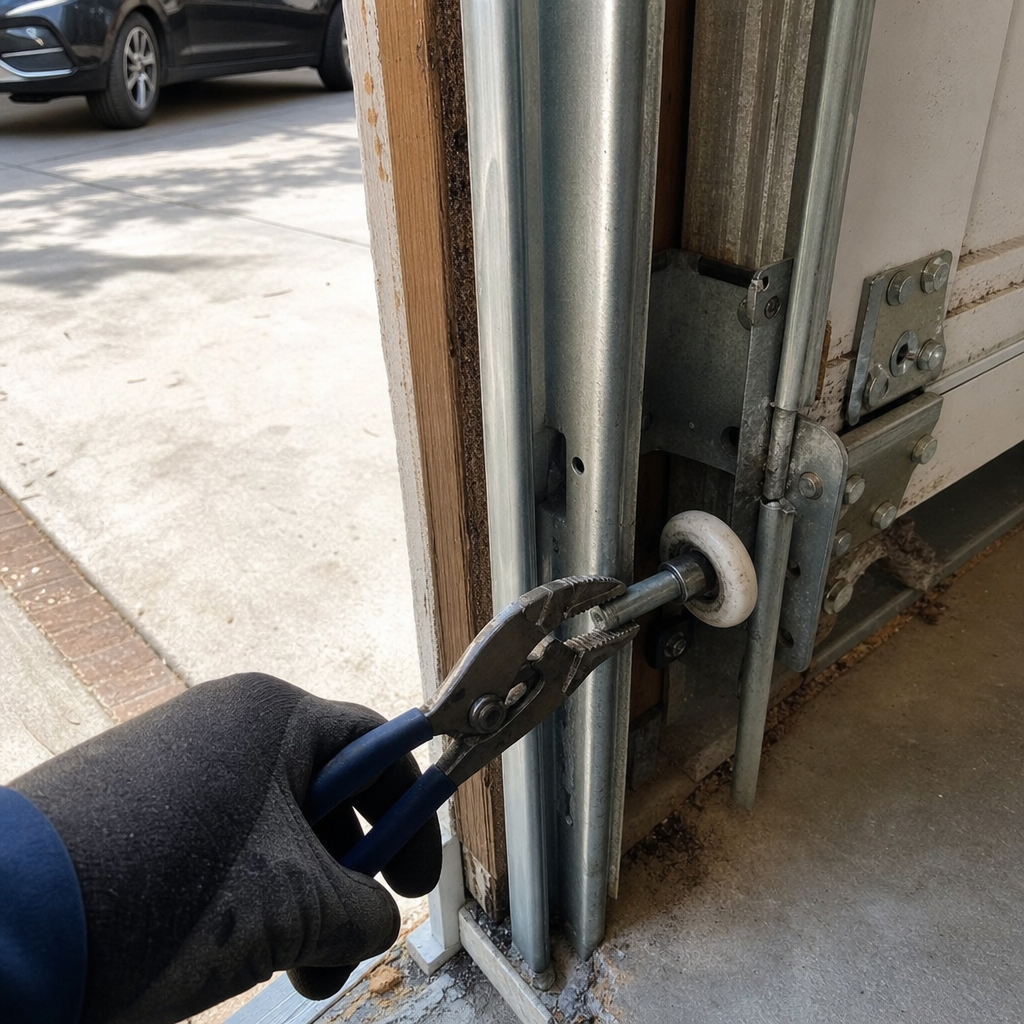
Extension Spring Replacement
Extension springs run parallel to the horizontal tracks and stretch to counterbalance the door’s weight. Older Stanford garages, particularly those with original 1960s hardware, sometimes still use extension spring systems rather than torsion setups. These springs are equally dangerous when they fail — they can whip through the air with lethal force if the safety cable is missing or corroded.
We inspect the entire extension spring assembly, including the safety cables that contain a broken spring. In Stanford’s humid conditions, we often find these cables frayed where they’ve rubbed against rusted pulleys. We replace the full assembly with corrosion-resistant components and verify that the door balances properly afterward.
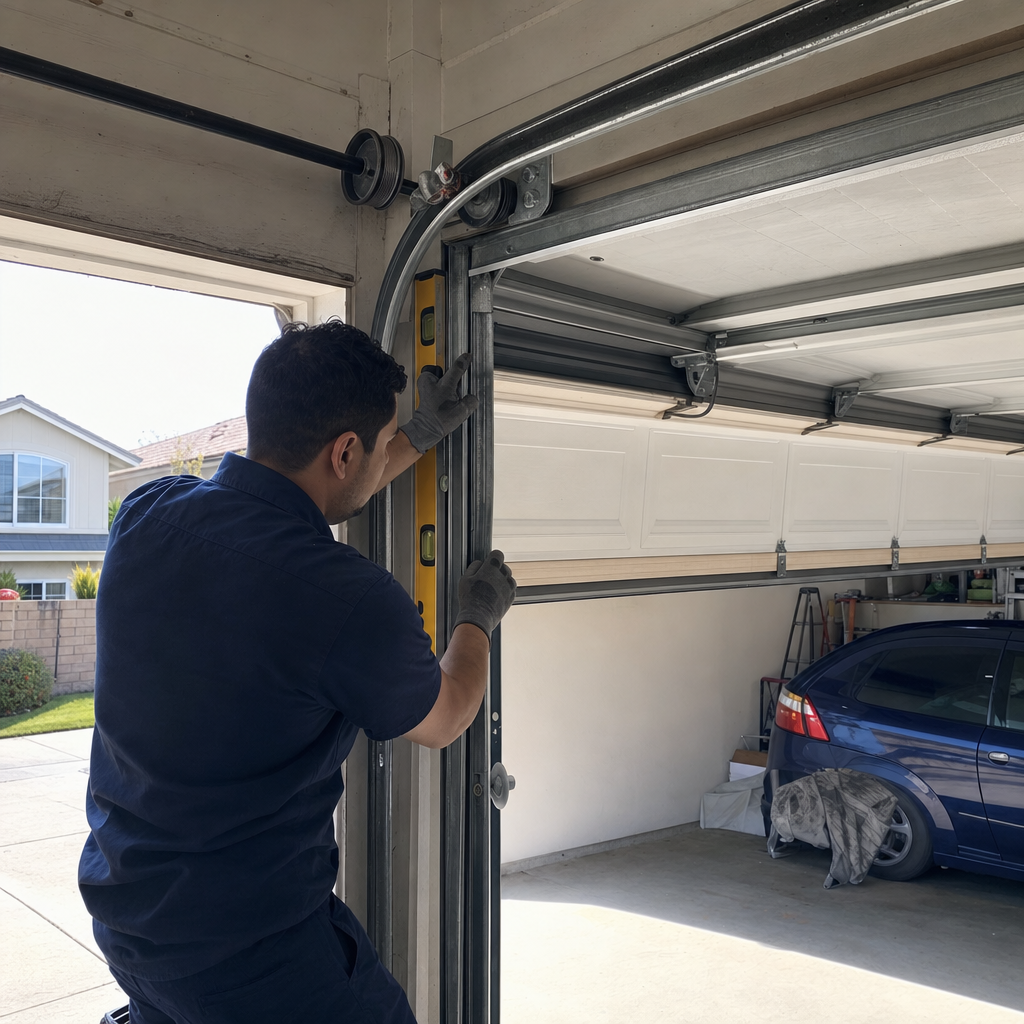
Cables & Drums
Lift cables wrap around drums at the top of the torsion shaft and bear the full weight of your door every cycle. Stanford’s salt air corrodes cable fittings and drum grooves, causing fraying and uneven winding. A frayed cable under tension is a failure waiting to happen — we’ve seen doors drop hard when a corroded cable finally parts.
Our cable repair service, typically $130–$250, includes replacing both cables as a matched set (they wear similarly), inspecting the drums for groove damage, and lubricating with a moisture-displacing compound formulated for coastal climates. We don’t patch one cable and hope the other holds.
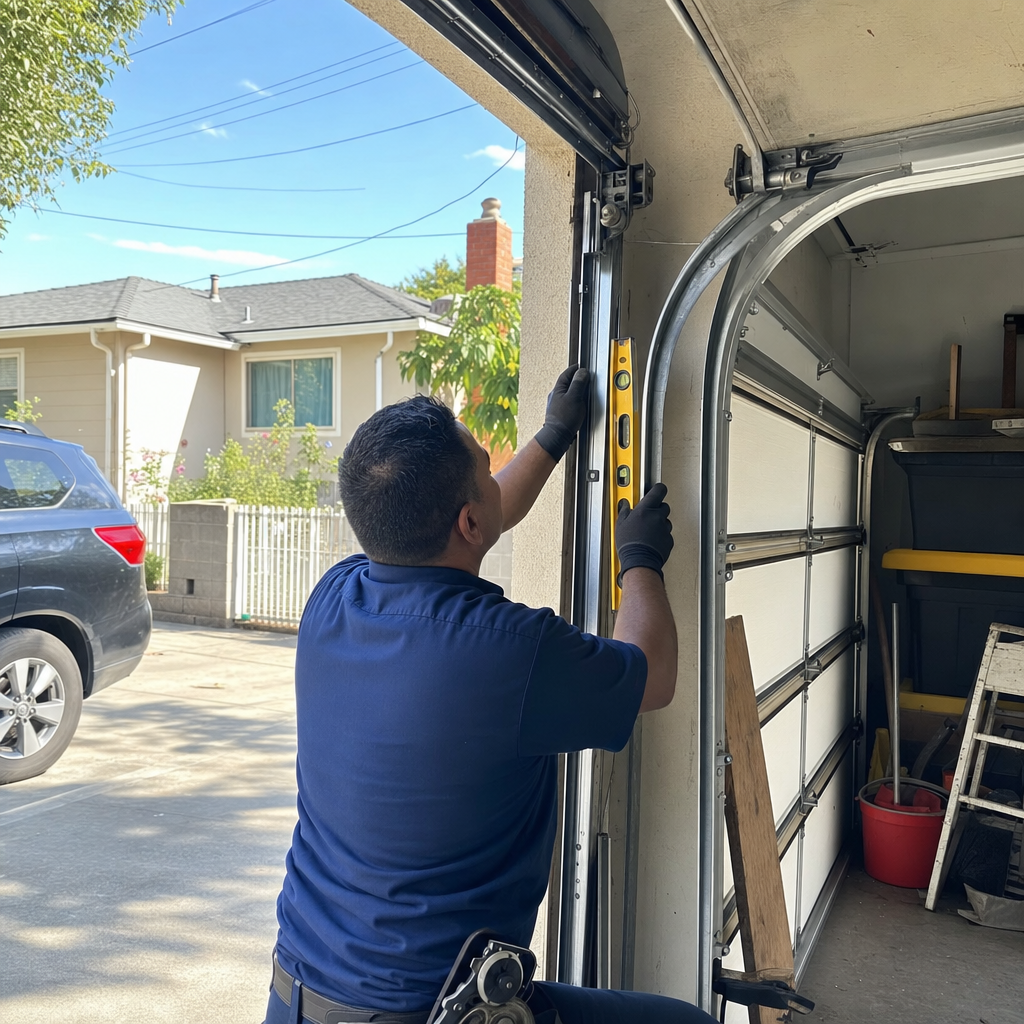
Rollers & Hinges
Steel rollers and hinges are the first hardware to seize in Stanford’s coastal environment. The salt air pits the steel, rust welds the hinge pins, and suddenly your door binds, shudders, or jumps the track. We replaced a corroded torsion spring and rusted rollers on a 1960s faculty home on Salvatierra Street. The salt air had pitted the steel spring and seized the hinges; we used a galvanized spring and nylon rollers, coordinating with a Stanford facilities rep who approved the parts list before we started.

Nylon rollers with sealed bearings are our standard recommendation for Stanford. They don’t rust, they run quieter, and they don’t require the frequent lubrication that steel rollers demand in humid conditions. Roller replacement runs $110–$220 depending on count and whether we’re also addressing track alignment issues caused by the seized hardware.
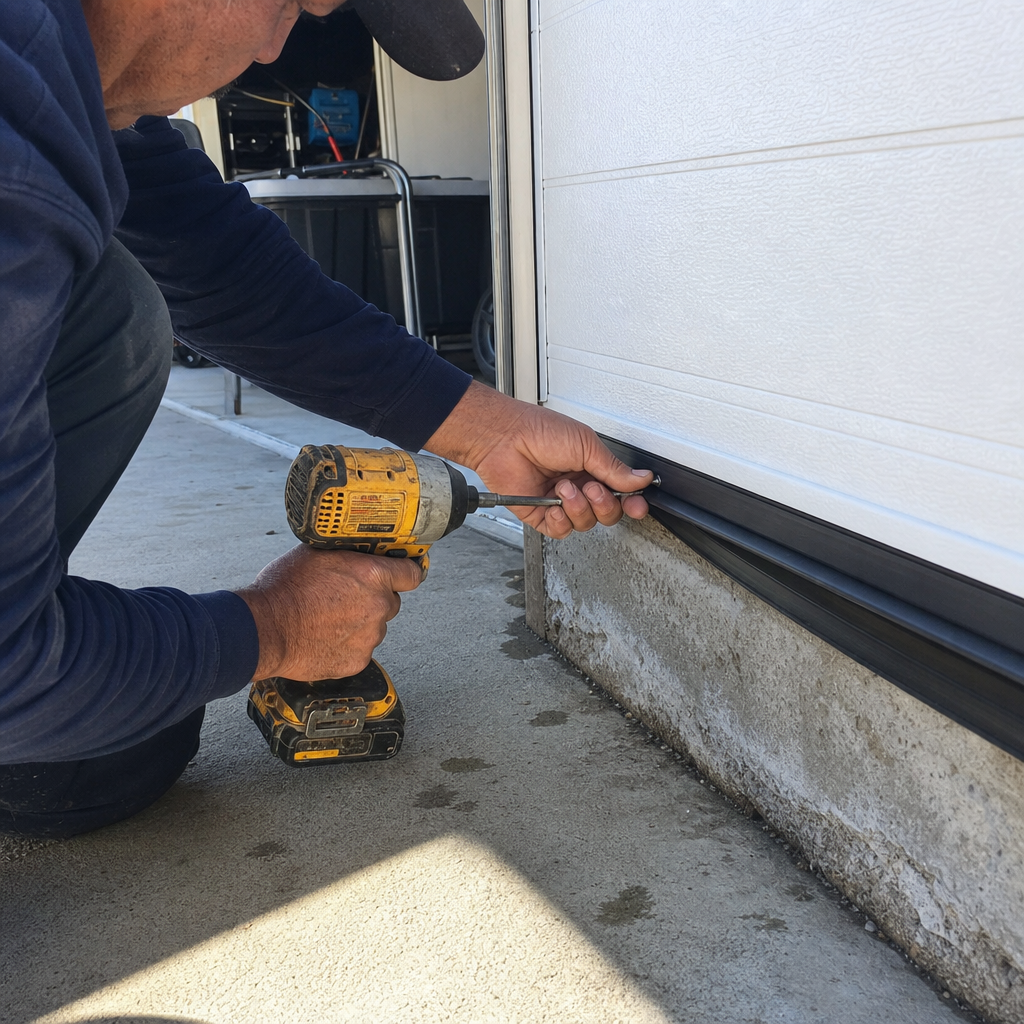
Weatherstripping & Bottom Seal
Wooden bottom rails on older Stanford faculty homes swell during fall and spring humidity, dragging on the slab and damaging the bottom seal. A compromised seal lets moisture, dust, and pests into your garage — and in Stanford’s climate, that moisture feeds further corrosion of tracks and hardware.
We stock vinyl and rubber bottom seals in multiple profiles to match your door’s retainer, and we inspect the bottom rail condition before installation. If the wood is rotted or delaminated, we’ll tell you honestly — sometimes a bottom seal replacement isn’t enough, and the rail needs addressing first.
What happens when you call
- 1
A real person answersNo phone trees — you reach a local pro.
- 2
You get an upfront price rangeHonest numbers before anyone is dispatched.
- 3
A background-checked tech heads outLicensed & insured, dispatched right away.
- 4
You approve before work beginsNothing starts until you say go.
Trusted Brands We Service in Stanford
Whatever brand you have, we likely stock parts for it. Our inventory covers Genie, Clopay, Amarr, and Wayne Dalton systems — four of the eight major brands we’re certified on — with hardware chosen specifically for coastal durability. Genie screw-drive openers, common in 1990s Stanford faculty housing, require specific lubricants and couplers that big-box stores don’t reliably stock. Clopay and Amarr panel hardware varies by era and series, and we’ve learned which hinge patterns match which university construction periods. We don’t order parts from a distant warehouse and make you wait a week. We carry the common failure items — springs, rollers, cables, hinges, seals — and we know which ones survive Stanford’s salt air.
Common Garage Door Parts Problems We See in Stanford Homes
- Torsion springs surface-corrode from marine humidity. In Stanford’s fog-shadow microclimate, steel torsion springs on 1950s–1970s faculty homes develop pitting corrosion that leads to premature failure — often in five to seven years instead of the typical ten. We spot this during inspection by checking for rust bloom and surface roughness.
- Steel hinges and rollers seize from salt air exposure. Mid-century university garages with original steel hardware suffer binding and track misalignment as hinges rust solid and rollers develop flat spots. The door shudders, jumps, or requires excessive opener force.
- Wooden bottom rails swell seasonally, destroying seals. Fall and spring humidity causes older faculty home doors to drag on the slab, tearing bottom seals and allowing moisture intrusion that accelerates track and hardware corrosion.
- Dual-authority approval delays unprepared contractors. Stanford’s university-ownership means parts upgrades — especially aesthetic or structural changes — require pre-approval from Stanford Facilities, a step our competitors often discover mid-job.
Pricing for Garage Door Parts in Stanford, CA
Here’s what typical garage door parts work costs in Stanford’s market. These ranges assume standard residential doors and include parts and labor:
| Service | Price Range |
|---|---|
| Spring Repair | $180–$340 |
| Roller Replacement | $110–$220 |
| Garage Door Repair (general) | $150–$600 |
Final cost depends on door size, hardware count, and whether we’re working with original components or previous modifications. Torsion spring replacement on a heavy wood door costs more than on a standard steel panel. If Stanford Facilities requires specific materials for your leased home, that can affect parts selection and timing. We provide free estimates before any work begins — call (844) 742-0390 and we’ll give you a firm quote after seeing your door.
We Also Serve Cities Near Stanford
We regularly travel to Palo Alto, Atherton, East Palo Alto, and Los Altos Hills for garage door parts calls. Each city has distinct housing stock and climate exposure — Palo Alto’s closer coastal proximity means even saltier air near the bay, while Los Altos Hills sits higher and drier. Our parts recommendations vary accordingly. If you’re in any of these areas and need hardware that actually lasts, the same direct service applies: when you call Nova, you get Ronald.
Serving Stanford, CA — Our Local Coverage Area
We’re based in the Stanford area and know this community well. Use the map below to see our service coverage — if you’re nearby, we can almost certainly help.
FAQs — Garage Door Parts in Stanford
Yes, most spring replacements on university-leased homes require notification or pre-approval from Stanford Real Estate & Facilities Management, especially if the work involves structural hardware or aesthetic changes. We handle this coordination as part of our standard process — we’ve worked with Stanford facilities reps before and know what documentation they need. Call (844) 742-0390 and we’ll walk you through the specific steps for your property.
Galvanized or coated torsion springs last significantly longer than standard oil-tempered springs in Stanford’s humid, salt-influenced microclimate. We specifically stock galvanized springs and can source epoxy-coated options for historically sensitive properties where Stanford Facilities requires specific finishes. The coating adds $30–$60 to a standard spring replacement but typically doubles the effective lifespan here.
No — not without Stanford University Real Estate & Facilities Management approval, and often not at all. Because the university owns the residential land and structures, aesthetic modifications including door panel style, color, and opener hardware must conform to Stanford’s maintenance guidelines rather than individual homeowner preference. We’ve seen homeowners purchase modern doors only to have installation halted by facilities review. We verify approval status before ordering any panel replacement.
Because steel rollers with exposed bearings are corroding internally in Stanford’s salt air — lubricant can’t reach the seized bearing races, and the steel hinge pins are likely rust-welded too. The fix is replacing steel rollers with sealed-bearing nylon rollers that don’t rust and don’t require lubrication. We’ve done this conversion on dozens of Stanford faculty homes with immediate, lasting results. Call (844) 742-0390 for a free inspection.
Every 12 months minimum, and every 6 months if your home is within a mile of the bay or your garage faces prevailing winds. Stanford’s marine humidity accelerates corrosion of springs, cables, and hinges faster than homeowners expect — we’ve found dangerous cable fraying at 14-month inspections that looked fine at 10 months. Our inspection covers all hardware, balance, safety reversal, and corrosion indicators. Estimates are free.
Ready for parts that survive Stanford’s coast? Call Nova Garage Door Service California at (844) 742-0390 for your free estimate. When you call, you get Ronald — owner, lead technician, and the person who’ll select and install your hardware.
Written by Ronald Sanchez, Owner at Nova Garage Door Service California, serving Stanford since 2016.